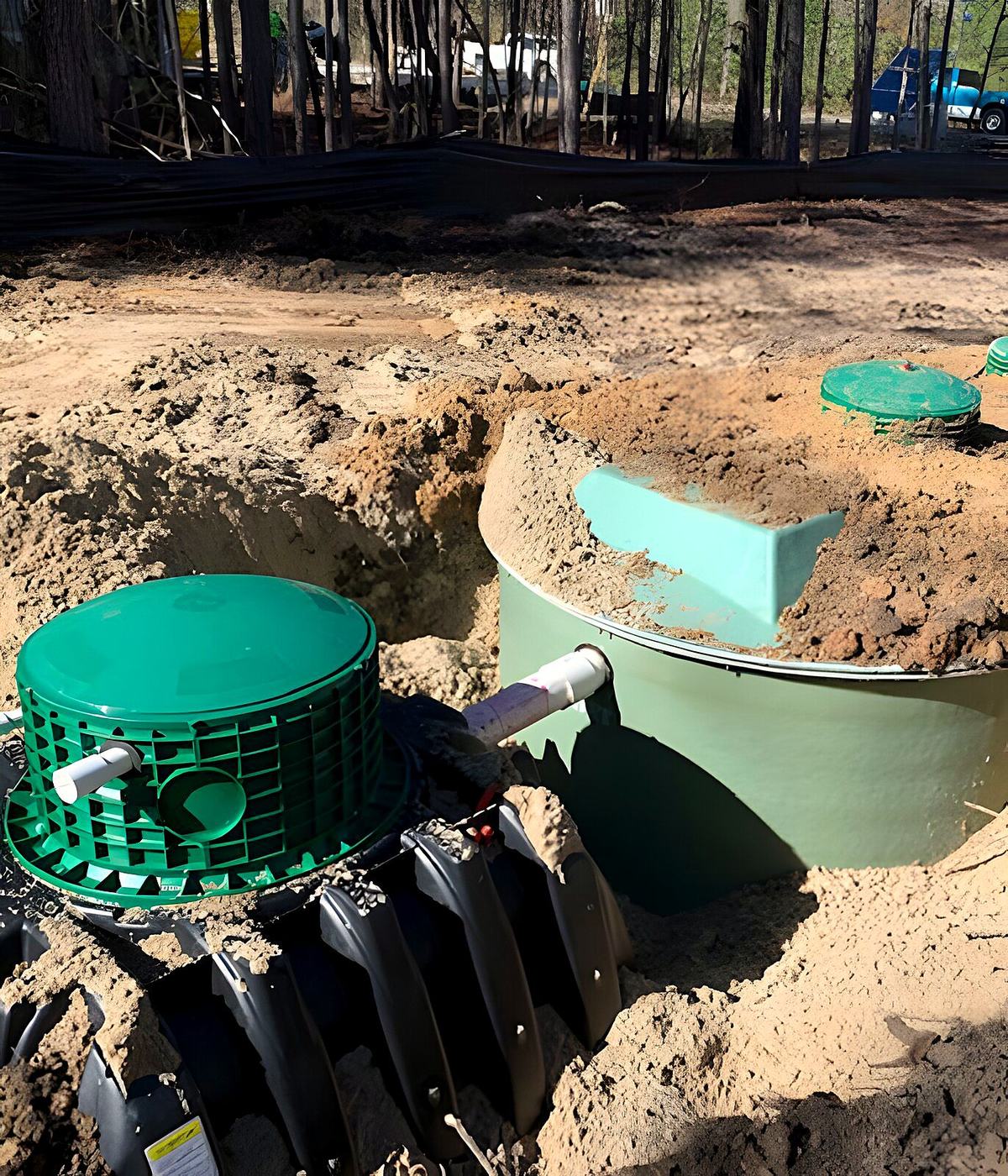
The rule of thumb is every 3 to 5 years for a typical household. But "typical" hides a lot, so here's what actually moves the number, and why guessing costs more than checking.
The short answer
Most Lowcountry homes should pump every 3 to 5 years. A big family on a small tank may need it every 2 to 3; a couple on a large tank can sometimes stretch past 5. The only way to know your number is to measure the sludge, which is exactly what an inspection does.
What changes the interval
- Household size. More people means more solids. A family of five fills a tank far faster than a couple.
- Tank size. A 1,000-gallon tank needs service sooner than a 1,500-gallon one at the same usage.
- Garbage disposal. Heavy use adds solids and grease, often shaving a year or more off the interval.
- System type. Fuji Clean and other advanced units pump less often but need a required bi-annual service.
By the time a system backs up, solids have usually reached the drain field, the part that costs thousands to replace. A pump-out is a few hundred dollars. Waiting is the expensive choice.
How to know it's time
Don't wait for these, but if you see them, call today:
- Slow drains or gurgling anywhere in the house
- Odors near the tank or drain field
- Soggy ground or extra-green grass over the field
- It's simply been more than 5 years
Frequently asked
Are enzyme additives a substitute for pumping?
No. A healthy tank grows its own bacteria. Additives don't remove the solids that accumulate, only a pump-out does that.
Can I stretch it to save money?
Stretching risks the drain field, which is the costly part. An inspection can safely tell you if you have room to wait.
Do you offer a maintenance plan so I don't have to track this?
Yes. We schedule and handle the pump-outs and inspections for you, and keep the records for warranty and resale.